Co-Ops
A co-op offers a way to share teaching duties with others who are excited and knowledgeable about a subject. It also offers an opportunity for your children to learn in a group and to make friends. Browse through this list of co-ops in Maine.
Starting & Running a Homeschool Co-Op
Starting a Homeschool Cooperative
Many homeschoolers have found that involvement with a homeschool cooperative enhances their homeschooling experience. Some children thrive with the small group experience, so enrolling them in some group activities and classes will nurture that need. Keeping classes and activities small enables families to reap the benefits of the classroom setting with none of the drawbacks. Volunteers can serve as helpers and aides, keeping the ratio of student to adult low, as recommended by educational research. This article discusses some tips for starting a homeschool cooperative.
Homeschool Co-operatives and Support Groups
A discussion of the advantages and potential problems of participating and running a co-op. Written from the perspective of a UK homeschooling parent.
American Montessori Homeschoolers Co-op
A forum for communication for organized or established co-op's and individuals interested in organizing a Montessori Homeschool Co-op. Established Co-op's can share ideas and those interested in creating a co-op can get valuable advice and information.
Starting a Homeschool Co-Operative Overseas
Includes tips and ideas for starting a formal co-operative learning environment for the special situation of overseas living.
The Story of Two Desperate, Burned Out, Homeschool Moms
Robin Bray shares the story of innovation and creativity in approaching homeschooling burn out, and how these creative ideas led to the creation of a co-op.
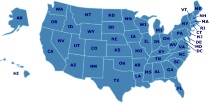
Looking for Another State?
Featured Resources
As an Amazon Associate, we earn from qualifying purchases. We get commissions for purchases made through links on this site.

Basic Montessori: Learning Activities for Under-Fives
For the first time, Basic Montessori opens the celebrated philosophy and method to a more general public. David Gettman has devised a clear and modern explanation of Montessori's revolutionary ideas about early intellectual development, and provides a step-by-step guide to the Montessori learning activities most commonly used with under-fives. These include activities for introducing reading and writing, counting and decimal concepts, science, and geography, as well as activities that help dev...

Upside-Down Brilliance: The Visual Spatial Learner
Dr. Linda Silverman coined the term "visual-spatial learner" to describe the special and unique gifts of people who learn best through seeing and with images. This guide is a great resource as you support your homeschooling visual learner in discovering the best ways to learn and succeed.

Help for the Harried Homeschooler : A Practical Guide to Balancing Your Child's Education with the Rest of Your Life
Homeschooling moms and dads can be overwhelmed by the demands on their time. Between their children’s educational needs; their roles as spouse, parent, and more; and their own individual desires and goals, these mothers and fathers struggle to accomplish all that must be done. In Help for the Harried Homeschooler, experienced homeschooler, author, and mother of four Christine Field offers sound advice for parents who want not only to achieve homeschooling success but also to reach a balanc...
Shurley English
Shurley English maintains that effective instruction in English must be founded upon an understanding of how the parts of speech work together in a sentence. A good grammar foundation gives students the skills to improve writing. Grammar is the structure of sentence composition. Through grammar, students learn how to write, improve, and expand sentences. After they have an understanding of sentence structure, students are then able to combine sentences successfully into paragraphs, essays, and r...

The Unschooling Handbook : How to Use the Whole World As Your Child's Classroom
Unschooling, a homeschooling method based on the belief that kids learn best when allowed to pursue their natural curiosities and interests, is practiced by 10 to 15 percent of the estimated 1.5 million homeschoolers in the United States. There is no curriculum or master plan for allowing children to decide when, what, and how they will learn, but veteran homeschooler Mary Griffith comes as close as you can get in this slim manual. Written in a conversational, salon-style manner, The Unschooling...